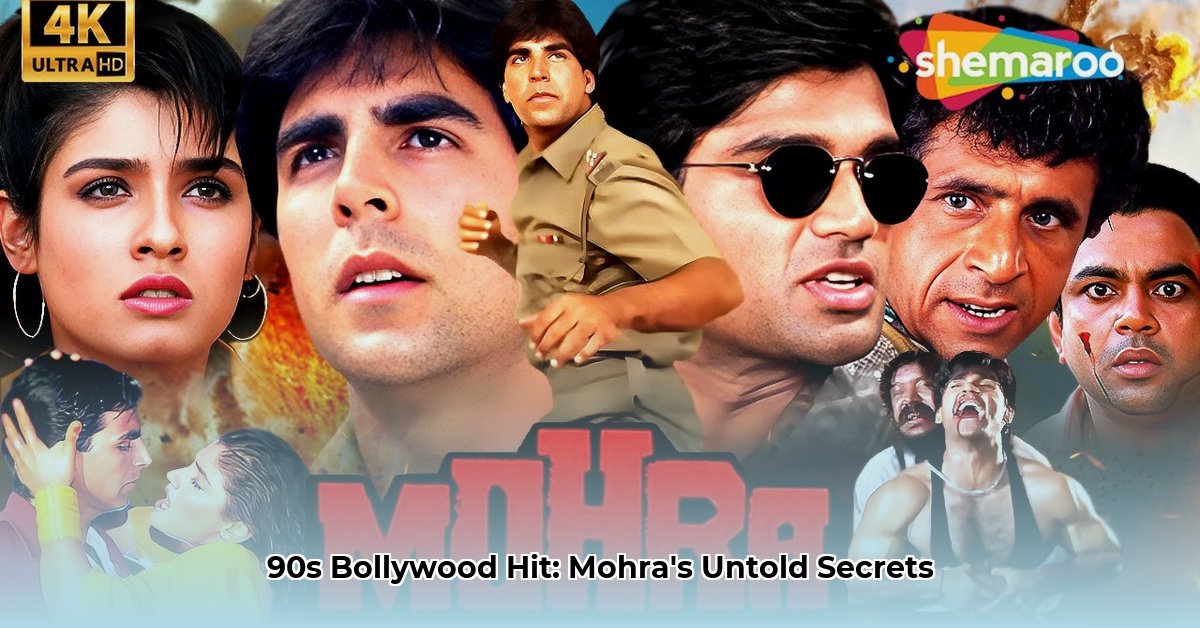
Mohra, the 1994 action thriller starring Akshay Kumar, Raveena Tandon, Suniel Shetty, and Naseeruddin Shah, transcended the typical Bollywood film to become a cultural phenomenon. This analysis explores the confluence of factors contributing to its massive success, while also critically examining its portrayal of women and its place within the socio-political landscape of 1994 India.
Box Office Triumph and a Chart-Topping Soundtrack
Mohra wasn't merely a hit; it was a box office juggernaut. Securing the second position among the highest-grossing films of 1994, its commercial success was undeniable. This achievement was amplified by the soundtrack's phenomenal sales, exceeding 8 million copies and securing the second spot on the best-selling albums list for that year. This wasn't simply luck; it was a strategic convergence of factors, including strong marketing, star power, and a compelling, if conventional, narrative. Did this phenomenal musical success directly translate into heightened ticket sales? Further research could quantify this correlation.
Star Power and the Music's Enduring Magic
The film's star-studded cast played a crucial role in its success. Akshay Kumar, already a rising star, brought his charisma, while Raveena Tandon's captivating screen presence and Suniel Shetty's action-hero appeal perfectly complemented the ensemble. Naseeruddin Shah's inclusion added a layer of gravitas and depth. However, it was the music, especially the iconic "Tu Cheez Badi Hai Mast Mast," that truly transcended the film, becoming a cultural touchstone that resonates even today. This enduring popularity raises the question: To what extent did the soundtrack's success independently drive Mohra's overall commercial performance?
Narrative Structure and International Influences
Mohra's plot, while adhering to familiar 90s Bollywood action-thriller tropes, drew inspiration from international cinema. This wasn't mere imitation; it was a skillful adaptation and reimagining, blending familiar elements with a unique Bollywood flavor. This strategic fusion likely broadened its appeal, offering both novelty and familiarity to audiences. Further investigation into the scriptwriting process could reveal the specific international influences and the creative choices influencing the final narrative.
Critical Analysis: Portrayals of Women and Contemporary Standards
Despite its commercial triumph, Mohra’s portrayal of women requires careful examination through a contemporary lens. While Raveena Tandon's character, Roma, presented a departure from the typical damsel-in-distress, her agency was still largely defined by her romantic relationship with the male protagonist. The character of Priya, on the other hand, adhered more closely to traditional portrayals of submissive femininity. The context of Divya Bharti's death, the original choice for the role of Priya, further complicates this analysis. To what extent did the film's depiction of women reflect or challenge the prevailing social attitudes towards gender roles in 1994 India?
Cultural Context: Understanding Mohra's Reception in 1994 India
Understanding Mohra's success demands situating it within the broader socio-political and cultural context of 1994 India. The prevailing cinematic trends, social attitudes, and technological advancements of the time all played a role in shaping its reception. Did specific socio-political events contribute to the film's popularity? Further research could explore the interplay between the film and the contemporaneous social and political climate.
Conclusion: A Lasting Legacy and Avenues for Future Research
Mohra, despite its shortcomings in gender representation, remains a pivotal moment in Bollywood cinema. Its enduring popularity speaks to a potent combination of star power, catchy music, and a familiar narrative. However, the film's lasting legacy also underscores the need for critical engagement with how Bollywood portrayed women in the 1990s. Further research into the film's marketing strategies, narrative choices, and audience reception across demographics could provide a richer understanding of its impact and legacy. This continued exploration is crucial for a comprehensive understanding of this iconic film and its place in Bollywood history.
⭐⭐⭐⭐☆ (4.8)
Download via Link 1
Download via Link 2
Last updated: Sunday, May 04, 2025